We use cookies to personalise site content, social media features and to analyse our traffic. We also share information about your use of this site with our advertising and social media partners.
FEATURED
SPONSORED
VERIFIED
December 29, 2025 -
8 minutes, 2 seconds
-4K Views 125 Comments 0 Likes 0 Reviews
Coastal cities have always been the heart of human civilization. As areas for trade and fishing, and much to the interest of a host of tourists, these regions maintain a complex interplay within the global system, both economic and cultural. New York, Mumbai, Tokyo, and Miami all demonstrate how coastal cities pull millions in search of opportunity, beauty, and growth.
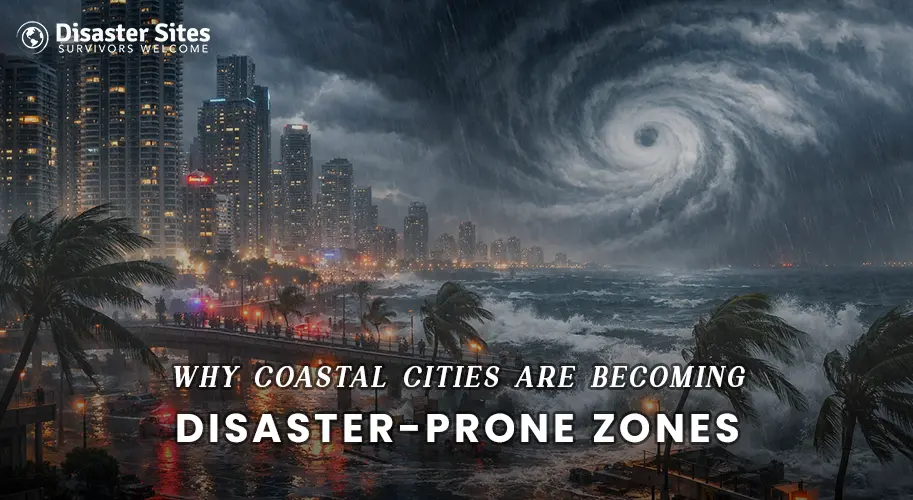
Coastal regions around the world face increasing risks and are being threatened. Rising oceans, storms of increasing intensity, urbanization following an extraordinarily aggressive pace, threaten to turn these areas into disaster zones. If location went a long way toward security, that very location is quickly becoming their Achilles heel.
To be able to pin down why coastal cities have evolved into zones at high risk will not only help governments and communities prepare for natural disaster events; it will also save millions of people who call these areas home.
The greatest danger for coastal cities is their ever-rising sea level. Climate change has at least partially contributed to melting glaciers and ice sheets, which means the seas are rising higher, with each passing year. Even a small increase in sea level can have a massive impact on low-lying cities, especially also those with millions living a few meters above sea level.
Flooding is no longer an event that arises out of the blue, flooding is becoming a feature of daily life in many coastal communities. Cities like Jakarta and Miami are subjected to “sunny day floods” where king tides push seawater up through tides, into streets, homes and businesses, even without a storm. In the long term, rising seas could completely obliterate communities; completely destroy a community or location's infrastructure; and could be the cause of people's displacement in the future.
If you want a clear breakdown of how floods work and why they’re becoming more frequent, check out Understanding Floods: What They Are, How They Happen, and How to Stay Safe.
Hurricanes and cyclones are couched in warmer oceans. Hurricane and cyclone energy comes primarily from warm seawater, and as oceans get warmer, as does global temperature, causing storms to intensify and include longer lifespans with immense amounts of rainfall. Without getting into the threats from rising sea levels, more dangerous storms are a threat to coastal cities, with the overall effects happening with a larger frequency and larger damage.
Storms like Hurricane Katrina in the United States and Cyclone Amphan in South Asian demonstrated clear examples of how coastal cities can be debased in mere hours. Homes, energy lines of the streets and highways are all wiped out and could take a minimum of years for recovery. Along with habitat and infrastructure destruction, storms disrupt water supplies, health and food distribution, making surviving in affected communities an even greater challenge.
The situation is further exacerbated by the combination of stronger storms occurring with rising sea levels. Storm surges push water higher and further inland than what was once norm, flooding areas that were once seemed "safe" in past storms. For millions of people living in vulnerable coastal zones, cyclones and hurricanes are no longer rare, once a decade events, but a dangerous new normal.
For more insights into how storms and flooding are linked to climate change, see How Climate Change Connects to More Storms and Flooding.
Coastal cities are among the fastest growing urban centres around the globe and millions of people choose to migrate to coastal cities each year for jobs, education or a better lifestyle. But such speed and unplanned growth can create additional risk. Weak infrastructure, crowded lodging, and lack of planning can leave coastal cities unprepared for disaster.
Significant contributors to problem include:
For a broader understanding of how human growth and development affect disaster risks, visit Natural Calamities: A Detailed Overview of Their Causes and Consequences.
Given that coastal cities are now confronting a rising sea, more intense storms, and increased competition for urban ecosystems, we are on borrowed time, and resilience is not a choice - but a necessity. Governments, communities, and international organizations need to invest in physical infrastructure: seawalls, elevated roads, and housing constructed to withstand climate related impacts, while simultaneously restoring mangroves, wetlands, coral reefs, etc. which offer longer term defence against inundation and erosion.
Disaster risk preparedness in a timely manner is also important through early warning systems and training residents and officials in disaster risk management. When disasters occur, evacuation routes and early warnings can save hundreds, thousands or millions of lives. Also recognize that climate change is a global issue that requires action together, by having stakeholders gainfully involved in joint endeavoring around greenhouse gas emissions reductions, urban planning, and investments into sustainable urban development, coastal cities have a common challenge.
Coastal cities are among the most influential areas in the world, but they will be among the first prone to risk and decline. Rising waters, more destructive storms, erosion, and urban growth are increasing the hazards for millions of people living on the coast, and the very features of the sites that provide coastal cities significance and opportunities for global trade are the same hazards putting these cities at risk.

“To assist disaster survivors by providing a source for them to come together in time of need, to aid in the listing of events, information and other forms of assistance, and continuing support through the recovery process.”

Share this page with your family and friends.