We use cookies to personalise site content, social media features and to analyse our traffic. We also share information about your use of this site with our advertising and social media partners.
FEATURED
SPONSORED
VERIFIED
Mar 11 -
4 minutes, 58 seconds
-17.2K Views 11 Comments 0 Likes 0 Reviews
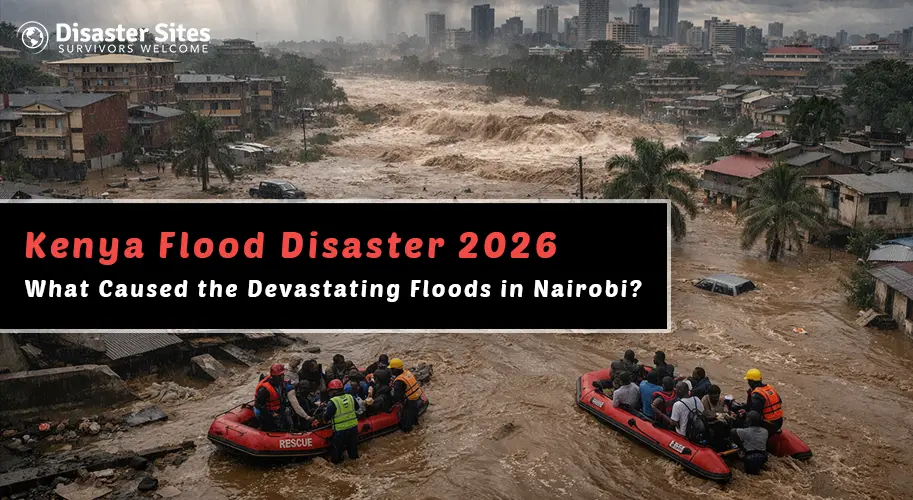
Kenya is experiencing another major natural disaster. The city of Nairobi and various countries have experienced extreme flooding which began in early March 2026.
The 2026 Kenya floods have brought back critical issues about climate change, urban development and disaster response systems in East African countries.
The flooding started on 6 March 2026 after Nairobi and its surrounding areas experienced their highest rainfall total ever recorded. Here are the numerical data that show the current situation:
The Nairobi River burst its banks, submerging major roads, including Mombasa Road and Uhuru Highway. Operations at Jomo Kenyatta International Airport were disrupted, with flights diverted to Mombasa. Tourists were airlifted out of the Maasai Mara National Reserve as the Mara and Talek rivers also overflowed.
The Kenya Meteorological Department recorded unusual rainfall measurements.
To put that in perspective, Nairobi received roughly a full month's rainfall in less than 24 hours, overwhelming every drainage system in the city.
Nairobi flash floods occurred because rainfall was not the only contributing factor. Several existing problems that underlay the situation made the disaster worse.
1. Extreme Rainfall Driven by Climate Change Scientists link the increasingly intense rainfall in East Africa directly to global warming. Climate change is producing longer periods of dry weather, which end with sudden, intense rainstorms. A World Weather Attribution study found that devastating rains in the region are now twice as likely as they were before climate change.
2. Rapid Urbanisation on Floodplains, Nairobi has expanded rapidly onto floodplains and riparian land. Buildings and settlements block the natural path of the river flow. When water has nowhere to go, it floods streets, homes, and businesses.
3. Collapsed and Clogged Drainage Systems The city's drainage system has two main problems, which make it impossible to function properly. The blocked drains throughout Nairobi's residential and commercial areas directly caused increased flood damage.
4. Lack of Green Spaces and Water Absorption Concrete and asphalt development causes natural ecosystems to vanish which results in reduced water absorption capacity of the ground. The city of Nairobi faces higher flood risks because it has destroyed wetlands and green corridors.
President William Ruto deployed military rescue units and emergency responders across all affected areas.
The 2026 Kenya flood disaster requires urgent attention because it serves as a wake-up call that demands a response. The city of Nairobi now faces extreme danger because of its urban expansion, infrastructure maintenance failures, and climate change effects that continue to grow.
The ongoing risk remains elevated because Kenya's long rains season runs from March to May and continues.
Kenya needs long-term solutions, upgraded drainage systems, strict enforcement of land-use laws, restored wetlands, and climate-resilient urban planning. The time to act is now, before the next disaster strikes.
Visit Disaster Sites to keep you informed with the latest disaster news around the world, so make sure you check back regularly as new things emerge.

“To assist disaster survivors by providing a source for them to come together in time of need, to aid in the listing of events, information and other forms of assistance, and continuing support through the recovery process.”

Share this page with your family and friends.