We use cookies to personalise site content, social media features and to analyse our traffic. We also share information about your use of this site with our advertising and social media partners.
FEATURED
SPONSORED
VERIFIED
Feb 5 -
9 minutes, 31 seconds
-2.6K Views 6 Comments 0 Likes 0 Reviews
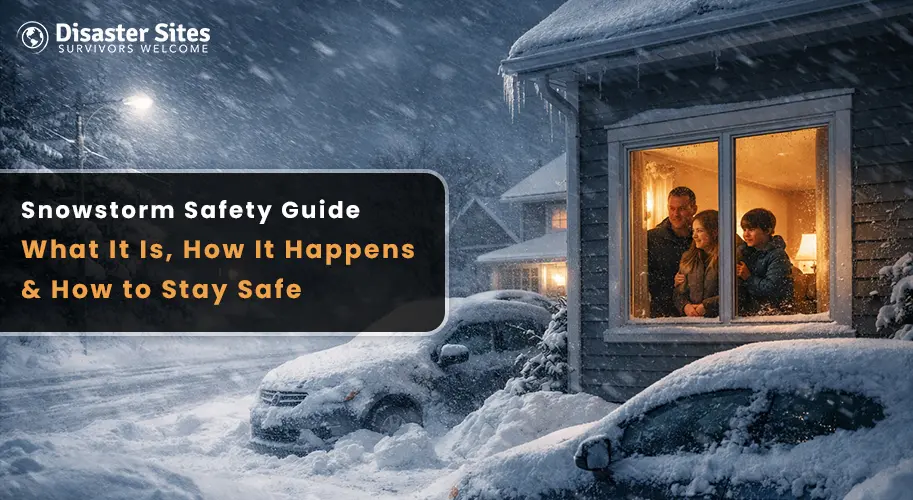
Snowstorms are not just about beautiful snowfall and cold weather. They can block roads, stop daily life, cut electricity and put your lives at risk if you are not prepared. For many families, a snowstorm becomes dangerous not because of the snow itself, but because they don’t know what to expect or what actions to take.
That is why, in this guide, we will understand what a snowstorm is, how it occurs and most significantly, how you can stay safe before, during and after it.
A snowstorm is an event where large amounts of snow fall in a very short time, often along with strong winds and cold temperatures which are harder to suffer. Visibility becomes so low that you cannot you can barely see roads, buildings, or even nearby objects. Expect light snowfall, a snowstorm can disturb normal life, stop transportation, and create emergency situations.
This type of disaster happen when specific weather conditions blend:
When warm and moist air rises to meet freezing temperatures, it turns into snow crystals. Winds then push this snow across land, roads and cities. This process continues for hours or days while creating intense snowfall, strong winds and dangerous conditions.
Snowstorms are hazardous not just because of snow, but because of the chain of problems they create.
To prepare yourself and your family from severe snowstorm, you have to gather some important tools before it happens:
Snowstorm safety requires people to decrease their contact with snow and to stay away from dangerous situations while they need to protect themselves against severe cold temperatures. The goal is to stay protected, warm, informed, and calm until conditions improve.
It is very vital to keep yourself informed during this panic situation of a snowstorm. And the emergency can come from anywhere, so you have to be prepared to stay safe and well.
If Trapped at Home
If Stuck in a Car
If Outside
Snowstorms create difficulties for all people, but certain groups experience greater dangers because of their physical attributes and health conditions and their need for assistance from others. Children and elderly people and disabled people and pets need special care and supervision during extreme cold weather conditions.
Children lose body heat quickly because they do not understand danger. They should stay indoors in warm spaces, wear layered clothing, and be kept away from cold areas. Their storm-related needs for protection require regular meals and warm fluids and emotional support, which helps safeguard their physical and mental health.
Elderly people have increased risk of developing health conditions that result from cold weather exposure. Their homes should remain well-heated, medicines and food should be easily available, and regular check-ins should be maintained. The serious health dangers of physical activity and cold weather exposure should be avoided.
Disabled individuals experience difficulties with mobility and access during snowstorms. They need to remain in warm secure locations which provide them access to essential medical supplies and support services. People require uninterrupted care and communication during power outages and situations when they become isolated.
The indoor environment should function as a safe area for pets which provides them with essential food and water and proper bedding materials.
People need to prepare for snowstorms because unpreparedness can turn snowstorms into dangerous emergencies. Understanding how they happen, knowing the risks, and following simple safety steps can protect lives, homes, and communities. The path to safety needs you to develop awareness and prepare through intelligent actions.
To stay informed during snowstorms, weather emergencies, and crises, Disaster Sites helps to keep you updated with reliable information, safety guidance and disaster awareness resources.

“To assist disaster survivors by providing a source for them to come together in time of need, to aid in the listing of events, information and other forms of assistance, and continuing support through the recovery process.”

Share this page with your family and friends.